
When Might Your Pet Need Diagnostic Testing?
Diagnostic testing provides information that a physical exam alone may not reveal. Our veterinarian may recommend imaging or lab work to:
- Investigate limping, vomiting, appetite changes, or other symptoms
- Evaluate an injury or suspected swallowed object
- Check organ function before anesthesia
- Monitor a chronic condition or response to medication
- Screen for changes during wellness and senior pet visits
We consider your pet’s symptoms, age, medical history, and examination findings when choosing which tests to recommend.
What Can Digital X-Rays Show?
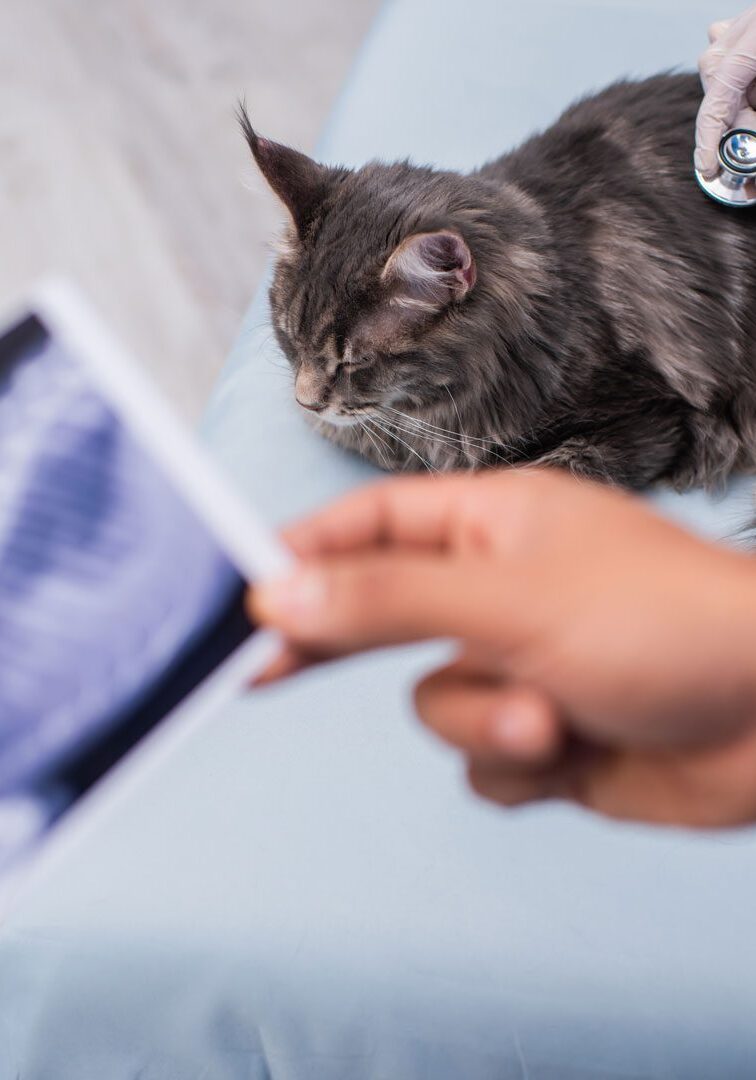
Radiographs use electromagnetic radiation to capture detailed internal images of your pet’s body. They’re a go-to tool for spotting:
-
Broken bones or skeletal changes
-
Foreign objects or obstructions
-
Tumors or soft tissue abnormalities
We use digital X-rays, which not only deliver sharper images but also reduce radiation exposure and processing time. When it comes to orthopedic imaging—like diagnosing cruciate tears or evaluating hips—we may recommend sedation to ensure your pet stays completely still for accurate results. Rest assured, any sedation is brief, and your pet is carefully monitored throughout the process.
How Does Ultrasound Help Evaluate Your Pet’s Health?
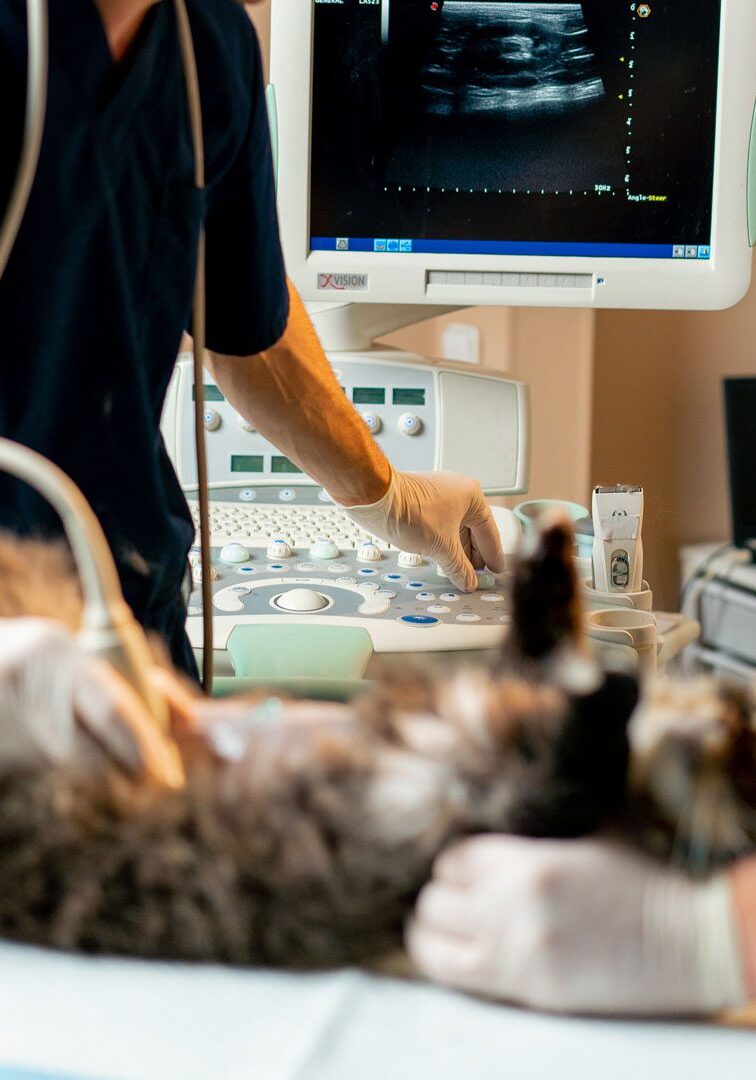
Ultrasound allows us to see your pet’s organs in motion, making it ideal for evaluating soft tissue structures. It’s especially useful for diagnosing:
-
Gastrointestinal blockages
-
Heart and circulatory conditions
-
Liver or kidney disease
-
Abnormal fluid buildup
-
Pregnancy and fetal health
How Can I Protect My Pet From Parasites?
Many dogs with parasites show little to no symptoms until an infection becomes more advanced, which is why routine prevention and fecal testing are so important. Regular fecal testing can help detect intestinal parasites early, even when your pet seems healthy, allowing for prompt treatment and ongoing protection. Our parasite prevention services include routine screenings and personalized recommendations to help protect your pet year-round.
Dogs can get worms in several ways depending on the type of parasite.
Common sources include:
- Swallowing contaminated soil, water, or feces that contains worm eggs or larvae
- Flea infestations that carry tapeworm larvae
- Mosquito bites that transmit heartworms
- Eating infected prey or raw meat
- Mother-to-puppy transmission during pregnancy or nursing
- Contact with contaminated environments like dog parks, yards, kennels, or shared outdoor spaces
Many dogs become infected without obvious exposure, which is why prevention and routine screening are important.
Dogs with worms do not always show symptoms early. In many cases, signs become more noticeable as the infestation progresses.
Possible signs of worms in dogs include:
- Diarrhea
- Vomiting
- Weight loss with normal apatite
- Scooting on the rear end
- Visible worms in stool
- Bloated belly
- Excessive licking around the rear
Because symptoms do not always show, the McGee Street Animal Hospital team recommends routine fecal testing for diagnostic and preventative care.
Several intestinal and blood-borne parasites can affect dogs:
- Roundworm infection: A common intestinal parasite that lives in a dog’s intestines.
- Tapeworm infection: An intestinal parasite usually passed to dogs when they swallow infected fleas.
- Hookworm infection: Small intestinal worms that attach to the gut lining and feed on a dog’s blood.
- Whipworm infection: Intestinal worms that live in the large intestine and can cause digestive upset.
- Heartworm disease: A parasite spread by mosquitoes that lives in the heart and lungs and can affect circulation and breathing.
Deworming schedules vary based on age, lifestyle, and parasite risk.
General guidelines include:
- Puppies: Often dewormed multiple times starting at a young age because they are more likely to carry parasites
- Adult dogs: Routine parasite prevention and periodic fecal testing are recommended.
- Dogs with higher exposure risk: May require more frequent testing or preventive treatment.
The McGee Street Animal Hospital team can recommend a deworming schedule based on your dog’s age, environment, travel history, and overall health.
Routine fecal testing helps detect parasites that may not cause visible symptoms.
Benefits of regular fecal testing include:
- Identifying worms early before symptoms worsen
- Confirming which parasite is present so treatment is targeted
- Monitoring whether deworming treatment was effective
- Detecting infections that can spread to other pets
- Supporting year-round parasite prevention
Even dogs that appear healthy can carry intestinal parasites, which is why the McGee Street Animal Hospital recommends routine fecal testing as part of our preventive veterinary care.
Clear Answers. Better Care
Diagnostics are more than just data—they’re the foundation of informed, effective care. Whether we’re uncovering the cause of your pet’s symptoms or confirming that everything looks good, our in-house tools give us the insight we need to help your pet feel their best.
Let’s get to the bottom of your pet’s health status. Give us a call at (405) 329-0181 or book an appointment online.
Frequently Asked Questions
A pet ultrasound can help detect abnormalities in internal organs, including the liver, kidneys, spleen, bladder, and heart. It can identify fluid buildup, masses, cysts, bladder stones, and changes in organ size or structure.
A pet ultrasound may be recommended if the McGee Street Animal Hospital team suspects an internal medical problem, such as abdominal pain, unexplained vomiting, abnormal bloodwork, urinary issues, or a mass. It can help evaluate internal organs, investigate symptoms, and guide further diagnosis or treatment.
Many in-house lab results are available during your pet’s visit. Timing depends on the tests needed, and some evaluations require additional samples or review. We’ll let you know what to expect.
Some pets need sedation to help them stay comfortable and still during imaging, particularly when precise positioning is needed. We’ll recommend an approach based on your pet’s health, comfort, and the type of imaging.
Preparation varies by test. Our team will let you know whether your pet needs any changes to their usual routine or whether you should bring a stool sample. Call us before the appointment if you have questions.
Routine testing can help us identify health changes before symptoms appear and establish baseline results for future comparison. We may also recommend lab work before anesthesia or while monitoring certain medications.