
How Much Does Your Pet's Dental Health Matter? (More Than You Think!)
Imagine if you went years—maybe even a decade—without brushing your teeth. No flossing. No dentist visits. Just you, your morning coffee, and a slow buildup of plaque plotting its eventual takeover.
Now imagine the smell.
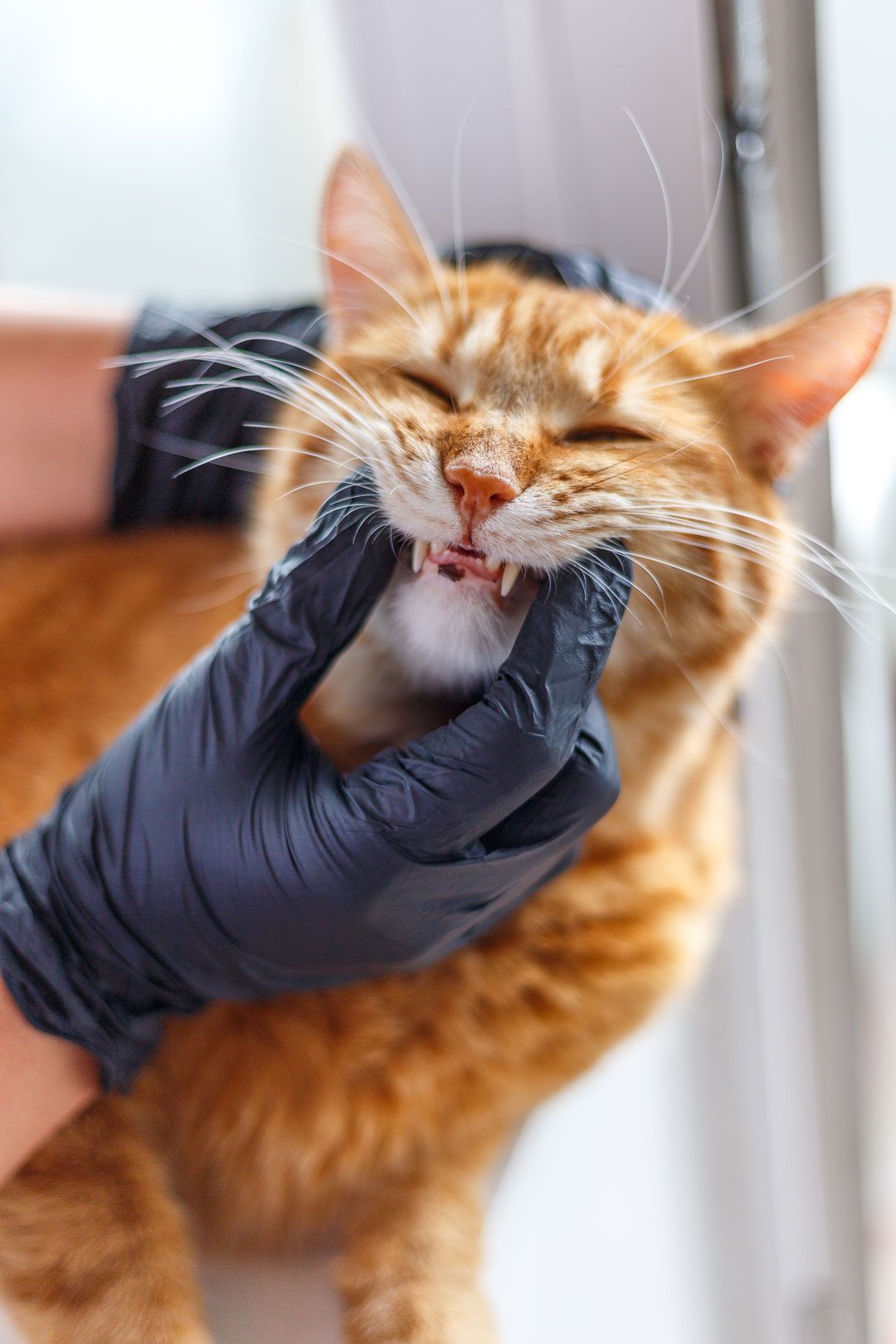
Pets deal with the same problems, except they can’t exactly schedule their own dental cleanings or swish some mouthwash. When plaque and tartar build up on your pet’s teeth, it can lead to:
- Painful Tooth Decay: Ouch. Rotten teeth don’t just look bad; they hurt. If your pet is turning up their nose at their favorite treat, you know there’s a painful problem.
- Gum Disease (Gingivitis): Red, inflamed gums are a telltale sign of trouble, like a nasty bacterial infection brewing below the gumline.
- Tooth Loss: Once a tooth is beyond saving, extraction is the only option. But, your pet will thank you with a toothless grin when they’re free from pain and infection.
- Systemic Infections: Bacteria from the mouth can enter the bloodstream, affecting the heart, liver, and kidneys.
In short, keeping your pet’s mouth clean isn’t just about fresh breath—it’s about protecting their overall health.
Why Is Anesthesia Needed for Teeth Cleaning? Because We Know You're Wondering
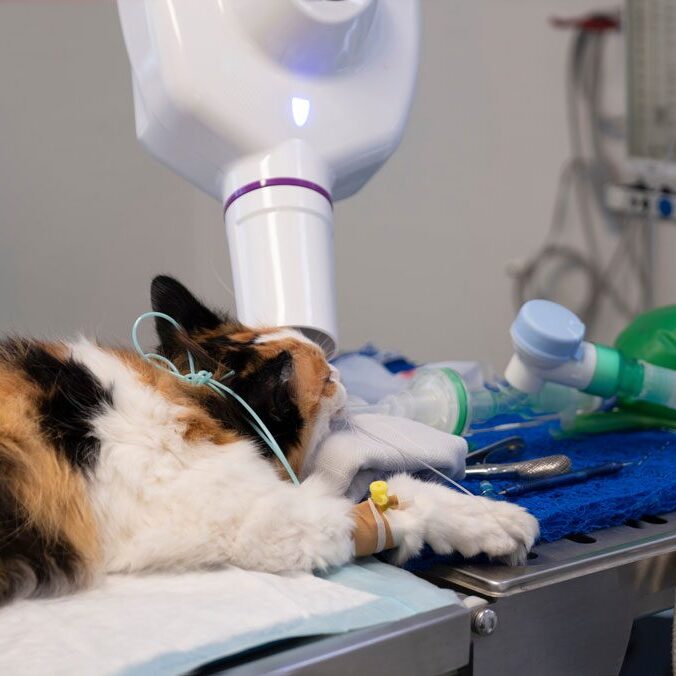
Unlike people, pets won’t sit still, open wide, and say “ahh” on command. That’s why all dental procedures at our Norman animal hospital are performed under anesthesia. This keeps your pet safe, comfortable, and unaware that we’re even working on their teeth. Without anesthesia, we would be unable to take dental X-rays, clean every tooth above and below the gumline, or extra diseased teeth without pain.
Before we put any pet under anesthesia, we require pre-anesthetic bloodwork to make sure they’re healthy enough for the procedure. Safety is always our top priority!
How Can You Care for Your Pet’s Teeth Between Cleanings?
Want to help your pet maintain their pearly whites between professional cleanings? Here are some vet-approved tips:

Toothbrushing
Brushing is best! We know—it sounds impossible. But with a little patience (and maybe some poultry-flavored toothpaste), brushing your pet’s teeth can become part of your routine.

Dental Chews & Treats
Some treats do more than just taste good! We can recommend the best ones to help fight plaque and tartar.

Water Additives & Oral Rinses
Think of them as mouthwash for pets—minus the minty burn.

Regular Professional Dental Care
Even if you’re the world’s best pet parent (which we know you are), professional dental cleanings are still a must!

Ready for Fresh Breath?
If your pet’s breath could clear a room, it’s time for a cat or dog teeth cleaning. Give us a call at (405) 329-0181 to schedule an appointment. Your pet’s teeth (and your nose) will thank you!
Frequently Asked Questions
The timing depends on your pet’s dental health and how quickly plaque and tartar build up. During an exam at McGee Street Animal Hospital, we’ll check your pet’s teeth and gums and let you know when a cleaning makes sense.
Yes. Cats and dogs can keep eating even when their mouths hurt. Bad breath, red gums, or changes in how your pet chews can give us a reason to take a closer look.
Dental X-rays show the roots and surrounding bone below the gumline. A tooth can look healthy above the gumline while an X-ray reveals a problem underneath. We take full-mouth digital X-rays to check each tooth during your pet’s dental procedure.
Yes. We require pre-anesthetic bloodwork before a professional dental cleaning. The results help us assess your pet’s health and plan for anesthesia.
We’ll explain what we found, review any procedures we performed, and go over your pet’s discharge instructions. If we removed any teeth, we’ll explain what to expect during recovery and when to contact us with questions.