
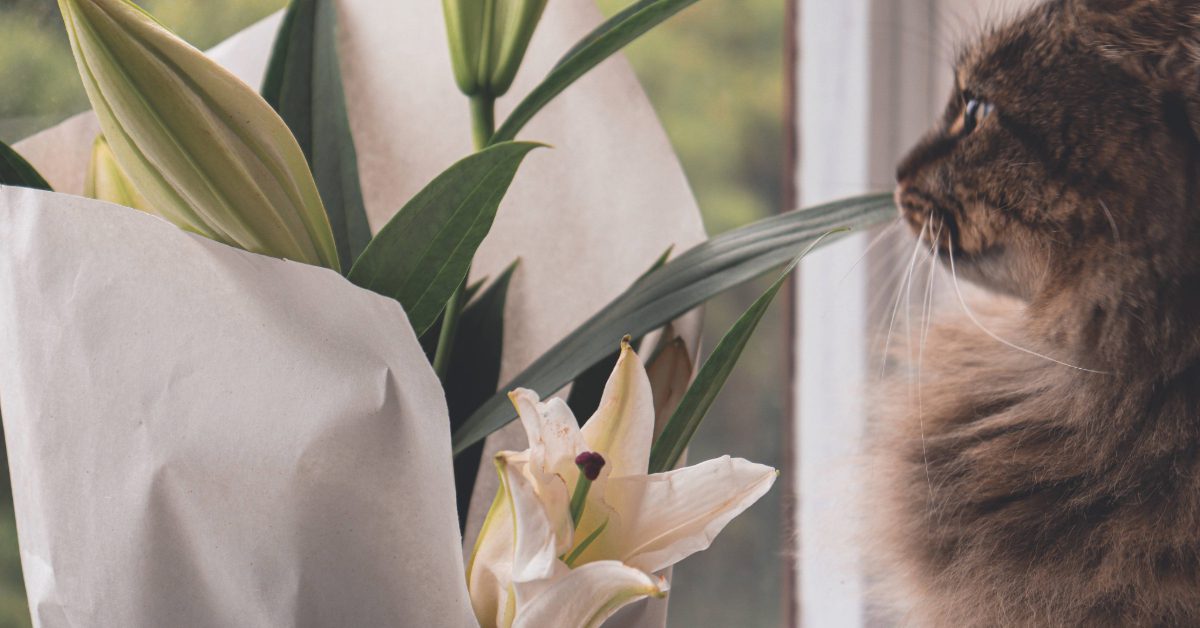
Lilies and cats are a risky combination, and even a small exposure can lead to a life-threatening emergency. Many pet owners in Norman, OK love bringing fresh flowers into their homes, especially around holidays or special occasions, without realizing how toxic certain lilies can be for cats. When we talk with families at McGee Street Animal Hospital, we often find that people are surprised to learn that brushing against pollen, chewing a leaf, or licking water from a vase can put a cat in serious danger. Lilies affect a cat’s kidneys in a way that veterinarians treat as urgent and time-sensitive. The earlier a cat receives veterinary attention, the better the outlook can be. Understanding how lilies and cats interact helps you recognize risk quickly and act without delay.
Are Cats Allergic to Lilies?
Many people ask whether cats are allergic to lilies, but the issue goes far beyond a simple allergy. Lilies create a toxic reaction in cats rather than a typical allergic response like itching or sneezing. Certain types of lilies contain compounds that cause severe kidney damage in cats, even when exposure seems minor. Unlike seasonal allergies or skin sensitivities, this reaction affects internal organs and can progress rapidly. Cats do not need to eat large amounts of plant material to experience harm, which is why veterinarians treat all suspected lily exposure seriously.
Because this is a toxicity issue, signs often involve the digestive system and urinary system rather than the skin or respiratory tract. A cat may appear normal at first, which can give a false sense of security, but internal damage may already be underway. This is why we encourage pet owners to contact a veterinarian right away if lilies and cats come into contact. Waiting to see if symptoms develop can reduce the window for effective treatment. Quick communication with your veterinary team can make a meaningful difference in outcomes.
Why Are Lilies So Dangerous for Cats?
Lilies are dangerous for cats because their bodies process certain plant compounds differently than dogs or people. Researchers continue to study the exact toxin involved, but veterinarians know that exposure can lead to acute kidney injury. The kidneys play a vital role in filtering waste, balancing fluids, and maintaining overall health. When these organs stop working properly, toxins build up in the bloodstream, and a cat can become critically ill in a short period of time. This is why lilies and cats represent one of the most urgent plant-related emergencies we see.
Even small exposures matter. A cat that grooms pollen off their fur or nibbles on a single leaf may ingest enough toxin to cause damage. Flower arrangements in kitchens, dining rooms, or bedrooms can easily attract a curious cat. Lilies in outdoor landscaping can also pose a risk if a cat goes outside or sits near an open window with a bouquet nearby. Removing lilies from environments where cats live remains one of the most effective ways to reduce this preventable danger.
Common Lily Types That Pose a Risk
Some lilies are more dangerous than others, and knowing the names helps you identify potential hazards. The following types are strongly associated with kidney toxicity in cats:
- Easter lilies
- Tiger lilies
- Daylilies
- Asiatic lilies
- Japanese show lilies
Florists, grocery stores, and garden centers frequently carry these varieties, especially in spring and early summer. Bouquets labeled simply as “lilies” may include toxic species, so caution remains important even when packaging lacks details. When in doubt, keep unknown plants out of your home and ask before bringing them near your cat.
Symptoms of Lily Poisoning in Cats
Recognizing symptoms quickly gives your veterinary team the best chance to respond effectively. Early signs often involve the digestive system, which can make the situation seem mild at first. A cat may vomit, drool, or show a sudden decrease in appetite. Lethargy often follows, and some cats hide or seem less responsive than usual. These early signs typically appear within a few hours of exposure.
As time passes, symptoms may shift as the kidneys become affected. Changes in urination can occur, including producing very little urine. Dehydration, weakness, and a dull or depressed appearance may develop. Without treatment, a cat can become critically ill as toxins accumulate in the bloodstream. Because lilies and cats create such a rapid progression, veterinarians view these signs as an emergency rather than a wait-and-see situation.
Behavior Changes You Might Notice at Home
Subtle changes in behavior often serve as early clues that something is wrong. Watch for:
- Sudden vomiting or repeated gagging
- Loss of interest in food or treats
- Hiding more than usual
- Reduced energy or reluctance to move
- Unusual thirst or changes in litter box habits
Any of these signs following known or possible lily exposure should prompt a call to your veterinarian right away. Describing what you observed and when it started helps your veterinary team prepare for your cat’s arrival.
What Should You Do If Your Cat Is Exposed to Lilies?
If you suspect exposure, act quickly and stay calm. Remove any remaining plant material from your cat’s reach to prevent further contact. Gently brush visible pollen off your cat’s fur if you can do so safely, and avoid letting them groom it off themselves. Save a piece of the plant or take a photo to help with identification. Then contact your veterinarian or an emergency veterinary hospital immediately.
At McGee Street Animal Hospital in Norman, OK, we treat lily exposure as urgent because time matters. Even if your cat seems normal, internal changes may already be happening. Calling (405) 329-0181 allows our team to guide you on next steps and prepare for your visit. Calling right away helps us begin evaluation and supportive care without delay. Quick action gives your cat the strongest chance for a positive outcome.
How Veterinarians Approach Lily Toxicity
Veterinarians focus on stabilizing the cat and protecting kidney function as soon as possible. A thorough exam, history of exposure, and diagnostic testing help us understand how the body is responding. Early intervention often includes supportive care aimed at maintaining hydration and encouraging normal kidney function. Monitoring continues closely because changes can occur over hours to days. Our goal is to detect problems early and respond quickly.
Follow-up visits and lab work may be necessary after the initial emergency period. These check-ins help ensure the kidneys continue to function properly as your cat recovers. Each case differs based on how much exposure occurred and how quickly treatment began. Ongoing communication between you and your veterinary team plays an important role in recovery. We stay available to answer questions and guide you through each stage of care.
Preventing Future Risks at Home
Prevention remains one of the most powerful tools for protecting cats from plant toxicity. Many households in Norman enjoy fresh flowers, but choosing pet-safe options reduces worry and risk. Educating family members, visitors, and even florists about the dangers of lilies and cats helps avoid accidental exposure. Simple changes in plant selection can make a big difference in household safety.
Consider these preventive steps:
- Avoid bringing lilies into homes with cats
- Check plant labels carefully before purchase
- Keep unknown flowers out of reach until identified
- Inform friends and family not to gift lily bouquets
- Monitor outdoor gardens if your cat spends time outside
These measures help create a safer environment while still allowing you to enjoy greenery and flowers responsibly.
Keeping Cats Safe in a Flower-Filled World
Lilies and cats remain a serious concern, but awareness empowers you to act quickly and reduce risk. Understanding symptoms, knowing what to do after exposure, and preventing access at home all work together to protect your cat’s health. Our team at McGee Street Animal Hospital in Norman, OK partners with pet owners to address emergencies and answer questions about household hazards. If you suspect your cat has come into contact with lilies, call (405) 329-0181 right away. Prompt veterinary care offers the best path forward when every moment counts.
Recent Posts
About Us
For more than 50 years, McGee Animal Hospital has supported pets through every stage of life—easing joint pain in senior dogs, treating injuries after unexpected adventures, and helping Norman’s retired police K9s stay healthy and active in their golden years.