
Acupuncture for dogs uses thin, sterile needles placed at specific points on the body to promote balance, circulation, and the body’s natural healing responses. Many pet owners first hear about this therapy when a dog struggles with stiffness, chronic discomfort, or slower recovery after an injury. They want options that work alongside traditional veterinary care, not instead of it. That’s where acupuncture becomes part of a thoughtful, integrative plan. At McGee Street Animal Hospital, we use acupuncture for dogs as a complementary therapy to improve comfort, mobility, and overall quality of life. This approach blends modern veterinary medicine with time-tested techniques in a way that focuses on the whole patient.
What Is Acupuncture for Dogs and How Does It Work?
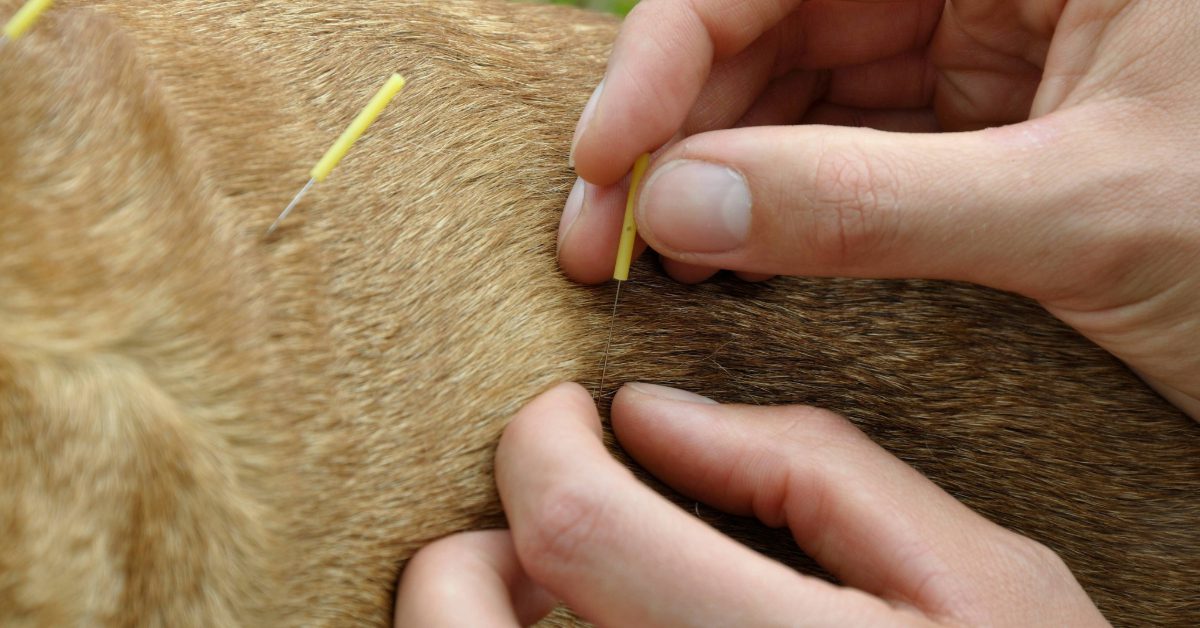
Acupuncture for dogs stimulates specific points on the body that connect to nerves, muscles, and blood vessels. When we place the needles, the body responds by increasing blood flow, releasing natural pain-relieving chemicals, and improving nerve communication. These responses can reduce inflammation, ease muscle tension, and encourage healing in injured or stressed tissues. Veterinary acupuncture does not rely on guesswork; trained veterinarians select points based on anatomy, neurologic pathways, and each dog’s medical history. Many dogs relax during treatment, and some even nap once the session begins. Pet owners often describe seeing gradual improvements in comfort, energy, and mobility after a series of treatments.
Acupuncture does not replace diagnostics or standard therapies. Instead, it works alongside treatments such as physical rehabilitation, medications prescribed by a veterinarian, or surgical recovery plans. This integrative approach allows us to address discomfort and healing from multiple angles. When people search “does acupuncture for dogs really work,” they usually want to know whether the therapy has a physiologic basis. Research and clinical experience show that acupuncture influences the nervous system, circulation, and inflammatory pathways in measurable ways. That scientific foundation helps us use it responsibly as part of a broader care strategy.
Acupuncture for Dogs with Arthritis
Arthritis remains one of the most common reasons pet owners ask about acupuncture for dogs. Joint inflammation leads to stiffness, decreased range of motion, and changes in behavior such as reluctance to climb stairs or jump onto furniture. Acupuncture supports dogs with arthritis by improving circulation around joints and reducing muscle tightness that develops as the body tries to compensate. When muscles relax and blood flow improves, movement often becomes easier and less guarded. Many families report that their dogs seem more willing to walk, play, or interact after a treatment series.
Arthritis management works best when we combine several strategies, and acupuncture fits naturally into that plan. Weight management, controlled exercise, and supportive home environments also matter. Simple at-home steps can make a difference without crossing into medical treatment:
- Provide non-slip rugs on slick floors to improve traction
- Use supportive bedding that cushions joints
- Keep food and water bowls easy to reach
- Encourage gentle, regular walks rather than long bursts of activity
These changes reduce strain on joints and allow acupuncture and other veterinary therapies to work more effectively. When pet owners ask whether acupuncture for dogs with arthritis can replace other care, we explain that it enhances comfort and mobility as part of a larger plan designed by their veterinarian.
Other Conditions Where Acupuncture for Dogs May Help
While arthritis draws the most attention, acupuncture for dogs supports many other concerns. We often recommend it for dogs recovering from orthopedic surgery, soft tissue injuries, or neurologic issues that affect coordination. It may also benefit dogs with chronic muscle tension, age-related mobility decline, or certain inflammatory conditions. Each recommendation depends on a thorough exam and a clear diagnosis.
Common situations where pet owners ask about acupuncture include:
- Slower recovery after injury or surgery
- Ongoing back or neck discomfort
- Nerve-related weakness or mobility changes
- Age-related stiffness
- Stress that contributes to muscle tension
Acupuncture for dogs works best when we tailor treatments to the individual. We consider age, temperament, underlying health issues, and current therapies. Some dogs respond quickly, while others need several sessions before changes become obvious. Our goal stays consistent: improve comfort, function, and quality of life in a safe, controlled way.
What to Expect During a Veterinary Acupuncture Session
Pet owners often feel surprised by how calm the experience can be. During an acupuncture session for dogs, we place very fine needles at selected points while the dog rests on a comfortable surface. Most dogs tolerate the needles well, and many become visibly relaxed as the session progresses. Treatments usually last between 15 and 30 minutes, depending on the plan we design.
Before we begin, we review medical history, current medications, and lifestyle factors. This step ensures we choose appropriate points and integrate acupuncture safely with other care. After a session, some dogs appear more relaxed, while others seem energized. Subtle improvements often build over multiple visits. When people ask, “What happens during acupuncture for dogs?” they usually worry about discomfort. We reassure them that the needles differ from injection needles and typically cause minimal sensation.
How Many Sessions Do Dogs Need?
The number of sessions depends on the condition and the dog’s response. Acute issues may improve after a few visits, while chronic concerns such as arthritis often benefit from ongoing maintenance sessions spaced over time. We track mobility, comfort, and behavior to evaluate progress. Adjustments to frequency occur based on response rather than a fixed schedule. This flexible approach allows us to tailor acupuncture for dogs to each patient’s needs.
Is Acupuncture for Dogs Safe?
Safety remains a common question, and it deserves a clear answer. When a trained veterinarian performs acupuncture for dogs, the procedure carries a low risk of side effects. We use sterile, single-use needles and follow established protocols. Mild fatigue after a session can occur as the body responds to treatment, but serious reactions remain uncommon. Open communication between pet owners and the veterinary team helps us monitor responses and adjust plans when needed.
Acupuncture does not suit every case, and that’s why a veterinary exam comes first. We evaluate overall health and determine whether this therapy fits appropriately into the care plan. When pet owners ask, “Is acupuncture for dogs worth it?” we focus on goals such as improved comfort, better mobility, and enhanced quality of life rather than quick fixes.
A Modern Approach to Whole-Body Veterinary Care
Acupuncture for dogs reflects a growing interest in integrative veterinary medicine. Pet owners want options that address the body as a connected system rather than focusing on a single symptom. By combining diagnostics, conventional treatments, and therapies like acupuncture, we build care plans that address pain, mobility, and recovery from multiple directions. This approach often leads to more balanced outcomes and greater comfort for aging pets or those managing chronic conditions.
If your dog shows signs of stiffness, mobility changes, or ongoing discomfort, a conversation about acupuncture may make sense. Our team in Norman, OK evaluates each case individually and explains how acupuncture for dogs fits within a broader plan. Call (405) 329-0181 or book an appointment online to discuss whether this therapy could be part of your dog’s care. Thoughtful, personalized plans help pets stay active, comfortable, and engaged in daily life.
A New Path Toward Better Mobility and Comfort
Acupuncture for dogs offers a science-based, integrative option that works alongside modern veterinary medicine. By supporting circulation, nerve function, and the body’s natural healing responses, this therapy can improve mobility, ease discomfort, and enhance overall well-being. When pet owners understand what acupuncture involves and how it fits into a complete care plan, they can make informed decisions with confidence. Our focus remains on safe, individualized care that addresses each dog’s unique needs while keeping quality of life front and center.
Recent Posts
About Us
For more than 50 years, McGee Animal Hospital has supported pets through every stage of life—easing joint pain in senior dogs, treating injuries after unexpected adventures, and helping Norman’s retired police K9s stay healthy and active in their golden years.