
You notice your cat lingering under the bed longer than usual, slinking past a favorite perch, or reacting to small sounds as if they were threats. Moments like these often leave pet owners wondering whether their cat feels stressed, scared, or dealing with something deeper. The signs of anxiety in cats can appear quietly at first, blending into daily behavior changes that seem easy to dismiss. Anxiety in cats refers to a state of ongoing fear, worry, or unease triggered by changes in their environment, routine, or internal health. As veterinarians, we see how emotional stress affects physical health, behavior, and quality of life. Recognizing feline anxiety early allows families to respond thoughtfully and seek guidance before patterns become harder to manage.
Signs of Separation Anxiety in Cats
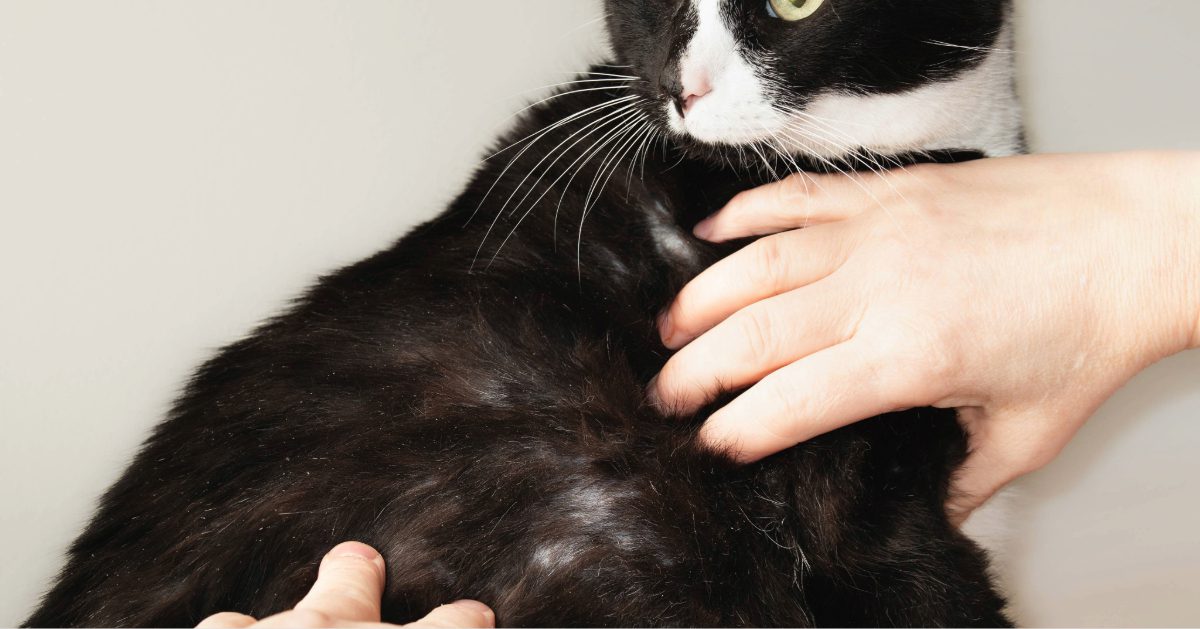
Cats form strong bonds with their people, even if they show affection in subtle ways. When routines shift, such as returning to work after being home more often or traveling frequently, some cats struggle with the absence of their favorite person. Signs of anxiety in cats related to separation often revolve around changes that happen specifically when you leave or shortly after you return. You may notice vocalization that sounds persistent or distressed rather than conversational. Some cats stop eating during the day and rush to the food bowl only when their owner returns. Others overgroom, especially on their belly or inner legs, creating thin hair patches that signal emotional stress.
Behavioral patterns tied to separation anxiety can also include elimination outside the litter box, even when litter conditions remain unchanged. Cats may scratch doors, windows, or personal items that carry their owner’s scent. These behaviors are not acts of defiance; they reflect an attempt to cope with uncertainty. Environmental predictability plays a major role in feline emotional stability, and abrupt schedule changes can disrupt their sense of security. We encourage pet owners to observe when behaviors happen, since timing often reveals whether separation anxiety is involved.
Common separation-related behaviors include:
- Excessive meowing, yowling, or crying when alone
- Urinating or defecating outside the litter box during owner absence
- Destructive scratching focused near doors or personal belongings
- Reduced appetite during the day
- Overgrooming that leads to hair thinning or skin irritation
If these patterns sound familiar, a veterinary evaluation helps rule out medical causes and guides next steps. Our team at McGee Street Animal Hospital in Norman, OK can help you determine whether stress, health issues, or a combination of factors are influencing your cat’s behavior.
Signs of Chronic Anxiety in Cats
Chronic anxiety in cats develops when stressors persist over time rather than occurring in isolated moments. Ongoing tension may stem from multi-pet conflict, neighborhood noises, frequent home disruptions, or unresolved medical discomfort. Unlike separation anxiety, these signs of anxiety in cats can appear at any time of day and may become part of a cat’s “new normal” if not addressed. Body language often provides early clues. Anxious cats tend to keep their bodies low, ears partially back, and tails tucked or flicking rapidly. Their pupils may stay dilated even in comfortable lighting.
Long-term anxiety can also influence sleep patterns, appetite, and social interaction. Some cats withdraw and hide for extended periods, while others become unusually clingy or reactive. Chronic stress affects the immune system and may contribute to issues like gastrointestinal upset or recurrent urinary problems. Cats experiencing sustained anxiety may startle easily, react aggressively when touched unexpectedly, or show heightened sensitivity to routine events. Behavioral changes that last more than a few days warrant attention because they rarely resolve on their own without identifying the underlying cause.
Subtle indicators of chronic feline anxiety may include:
- Hiding more often or choosing new, secluded resting spots
- Sudden avoidance of previously enjoyed spaces
- Increased shedding due to stress-related grooming changes
- Tension during normal handling or petting
- Persistent pacing or restlessness
When we evaluate these signs, we consider both emotional and physical health. Pain, endocrine changes, or neurological concerns can mimic anxiety behaviors, which is why a thorough veterinary exam remains essential.
Environmental Triggers That Increase Cat Anxiety
A cat’s world centers on territory, routine, and predictability. Even changes that seem small to humans can feel overwhelming to a sensitive feline. Moving furniture, introducing new pets, loud construction, or visitors staying in the home can alter scent patterns and safe spaces. Outdoor stressors, such as neighborhood cats seen through windows, may also create ongoing tension. Cats rely heavily on scent communication, so disruptions in familiar smells can heighten insecurity.
Pet owners can reduce environmental stress by maintaining consistent feeding times, keeping litter boxes clean and accessible, and preserving quiet retreat spaces. Providing vertical areas, like cat trees or shelves, allows anxious cats to observe their environment from a secure vantage point. Interactive play sessions help redirect nervous energy into healthy outlets. While these at-home strategies support emotional balance, they work best when paired with veterinary guidance to ensure no medical issues contribute to anxiety behaviors.
How Anxiety Affects a Cat’s Physical Health
Anxiety in cats does not remain purely behavioral. Stress hormones influence digestion, immune response, and urinary function. Cats experiencing ongoing anxiety may show vomiting, diarrhea, appetite shifts, or frequent urination. We also see stress linked to flare-ups of feline lower urinary tract signs, where discomfort leads to litter box avoidance. The body and mind remain closely connected, and emotional strain can amplify physical vulnerabilities.
Chronic stress may also slow healing and increase susceptibility to illness. A cat that feels unsafe or unsettled rarely relaxes fully, which affects restorative sleep cycles. Over time, this state of alertness takes a toll on overall wellness. Recognizing the signs of anxiety in cats as early as possible protects not only behavior but also long-term health.
When to Seek Veterinary Guidance for an Anxious Cat
Pet owners often wonder whether a behavior change reflects personality or a deeper concern. We recommend scheduling a visit when anxious behaviors appear suddenly, intensify quickly, or interfere with daily routines. Appetite loss, litter box changes, or aggression always justify prompt evaluation. Cats mask discomfort well, and anxiety sometimes signals pain or illness. A veterinary visit allows us to assess health, discuss lifestyle changes, and create a plan tailored to your cat’s needs.
During your appointment, we review environment, diet, routines, and recent changes. This holistic approach helps us determine what contributes to your cat’s emotional state. Early intervention improves outcomes and helps prevent long-term stress patterns from becoming ingrained. If you notice the signs of anxiety in cats at home, call McGee Street Animal Hospital at (405) 329-0181 or book an appointment online so we can help your cat feel more secure.
Creating a Calmer Future for Your Cat
Understanding the signs of anxiety in cats empowers pet owners to respond with patience and awareness rather than frustration. Behavioral changes often represent communication, not misbehavior. When families observe patterns, maintain consistent routines, and partner with their veterinarian, anxious cats gain the stability they need to feel safe. Emotional wellness forms a vital part of overall feline health, influencing behavior, physical condition, and quality of life. If you have questions about your cat’s stress or behavior, our Norman, OK team stands ready to guide you toward practical, compassionate solutions.
Recent Posts
About Us
For more than 50 years, McGee Animal Hospital has supported pets through every stage of life—easing joint pain in senior dogs, treating injuries after unexpected adventures, and helping Norman’s retired police K9s stay healthy and active in their golden years.