
Dog sneezing is a common reflex that helps clear the nasal passages of irritants, and in many cases, it is a normal and harmless behavior. One quick sneeze during a walk or after sniffing the grass often signals that your dog’s body is simply reacting to dust, pollen, or a strong scent. However, when dog sneezing becomes frequent, intense, or paired with other changes, it can point to an underlying issue that deserves attention. We often see pet owners feel concerned when a simple sneeze turns into repeated episodes throughout the day. That reaction makes sense, because while sneezing can be minor, it can also signal allergies, infections, or nasal irritation. At McGee Street Animal Hospital in Norman, OK, we help families understand the difference between occasional dog sneezing and signs that suggest it is time for a veterinary visit. Knowing the potential causes allows you to respond calmly and confidently.
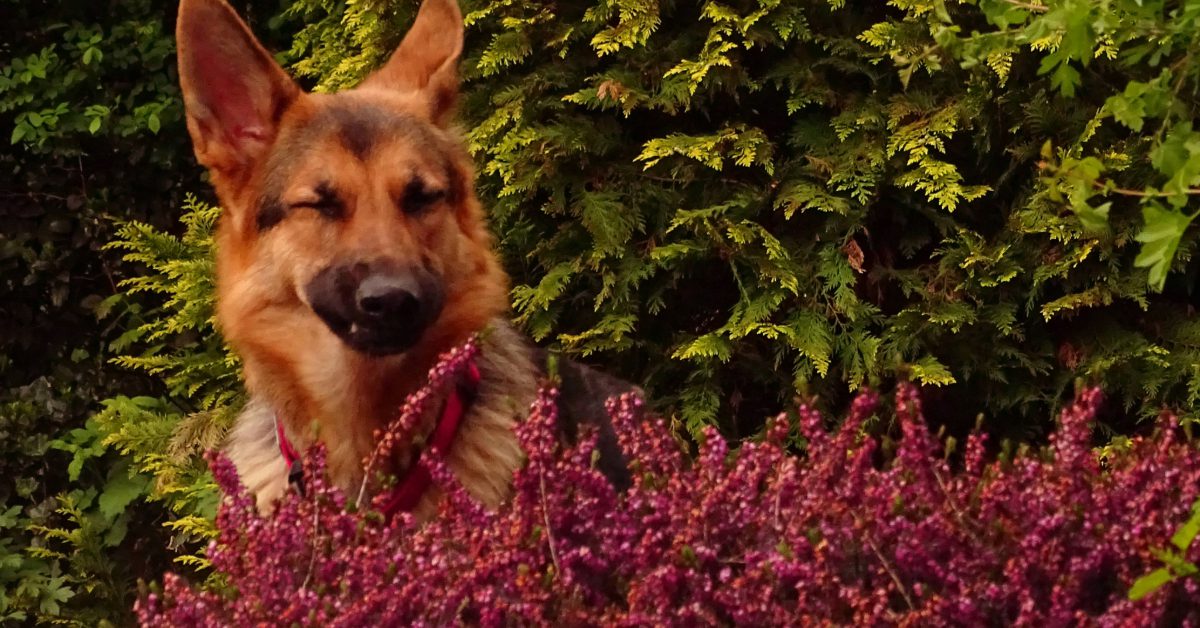
Why Do Dogs Sneeze?
Dogs sneeze for many of the same reasons people do, but their powerful noses make them even more sensitive to environmental triggers. The nasal passages contain delicate tissues lined with tiny hairs and mucus that trap particles. When something irritates that lining, the body forces air out rapidly to clear it. This protective reflex explains many short episodes of dog sneezing that happen without warning and stop just as quickly. Dogs also explore the world through scent, which increases their exposure to dirt, plant debris, and airborne particles. After outdoor play, rolling in grass, or sniffing around the yard, mild sneezing may simply be the nose doing its job. In these situations, the dog usually acts normal, eats well, and shows no other signs of discomfort.
More persistent dog sneezing often relates to health conditions rather than simple irritation. Allergies remain one of the most frequent reasons we evaluate sneezing dogs in Norman. Pollen, mold spores, dust mites, and even household cleaners can irritate nasal tissue. Dogs with allergies may also show itchy skin, watery eyes, or ear issues. Upper respiratory infections represent another possibility, especially in dogs that recently boarded, visited grooming facilities, or spent time around other dogs. Dental problems sometimes lead to sneezing as well, because the roots of upper teeth sit close to the nasal cavity. Understanding these connections helps explain why dog sneezing sometimes points to issues outside the nose itself.
Common reasons for dog sneezing include:
- Environmental irritants such as dust, smoke, perfumes, or cleaning sprays
- Seasonal or environmental allergies
- Viral or bacterial upper respiratory infections
- Nasal mites or foreign material in the nose
- Dental disease affecting upper teeth
Reverse Sneezing in Dogs
Reverse sneezing in dogs often alarms pet owners because it sounds dramatic and unfamiliar. Instead of air moving out of the nose, air pulls inward rapidly, producing a snorting or honking sound. During an episode, a dog may stand still, extend the neck, and make repeated inhaling noises for several seconds. This event can look like breathing distress, which explains why many families worry the first time they see it. In most cases, reverse sneezing results from temporary irritation of the soft palate or throat area rather than a serious emergency. Triggers can include excitement, pulling on a leash, strong odors, or allergies.
While reverse sneezing in dogs often stops on its own, frequent episodes deserve attention. Chronic irritation from allergies, nasal inflammation, or anatomical factors can increase how often it happens. Small and flat-faced breeds experience reverse sneezing more commonly, though any dog can develop it. We evaluate the frequency, duration, and associated signs when owners describe these episodes. If reverse sneezing pairs with discharge, coughing, lethargy, or appetite changes, we look deeper for underlying causes. Even when episodes appear mild, documenting patterns helps us guide next steps and monitor changes over time.
Why Is My Dog Sneezing So Much?
Frequent dog sneezing often signals that irritation or inflammation continues inside the nasal passages. When owners ask, “Why is my dog sneezing so much?” we look beyond a single trigger and consider patterns. Sneezing that continues indoors and outdoors may point toward environmental allergies. If sneezing started suddenly after yard time, a small foreign object like a grass awn might be lodged inside the nasal cavity. Dogs with nasal infections may show thick discharge, reduced appetite, or lower energy levels. Persistent dog sneezing sometimes accompanies nasal polyps, growths, or structural changes, particularly in older dogs.
Dental issues also connect closely to sneezing frequency. The upper tooth roots sit near the nasal sinus, and infection can spread upward. In those cases, sneezing may occur alongside bad breath, drooling, or reluctance to chew. We also consider exposure to irritants inside the home, such as smoke, scented candles, or strong cleaners. Dogs live close to the floor, which places their noses directly where particles settle. Monitoring when and where dog sneezing happens can provide helpful clues. Tracking changes in behavior, appetite, and energy gives us valuable context during an exam.
Signs that dog sneezing may need prompt evaluation:
- Sneezing fits that continue for days without improvement
- Thick, yellow, green, or bloody nasal discharge
- Pawing at the face or nose
- Swelling around the nose or eyes
- Decreased appetite, lethargy, or behavior changes
When Is Dog Sneezing a Concern?
Occasional sneezes rarely signal a serious issue, but certain patterns change that picture. Sudden intense sneezing with visible distress suggests something may be stuck in the nose. Discharge that changes color or consistency often points toward infection or inflammation. If dog sneezing appears alongside coughing, fever, or low energy, the body may be fighting a respiratory illness. Sneezing that disrupts sleep, eating, or daily activity also deserves attention. Dogs cannot explain discomfort, so behavioral shifts provide important information.
You can observe a few supportive steps at home without moving into medical territory. Reducing exposure to smoke, heavy scents, and dusty areas may ease mild irritation. Wiping paws and fur after outdoor time can help remove pollen and debris. Keeping your home’s air filters clean also limits airborne particles. These measures support comfort but do not replace a veterinary exam when sneezing persists. If you notice worsening signs, call our team in Norman at (405) 329-0181 or book an appointment online so we can assess what your dog’s body is communicating.
What to Expect During a Veterinary Visit
When we evaluate dog sneezing, we start with a detailed history and physical exam. Information about when sneezing began, changes in environment, and other symptoms helps narrow possibilities. We examine the nose, eyes, mouth, and teeth because each area connects closely. Listening to the chest and checking lymph nodes gives us additional insight. Depending on findings, we may discuss imaging, lab work, or other diagnostics to better understand what is happening. Our goal is to identify the cause and outline next steps clearly so families feel informed. Every dog’s situation differs, so we tailor recommendations based on age, history, and clinical signs.
When Sneezing Signals Something More
Dog sneezing can be as simple as clearing the nose after a good sniff in the backyard, or it can reflect irritation, infection, or inflammation that needs attention. The key is recognizing patterns and changes. If sneezing becomes frequent, persistent, or appears alongside discharge, low energy, or appetite changes, it’s time to take a closer look. Early evaluation allows us to identify the cause and guide you through the next steps with clarity.
If your dog’s sneezing has you concerned, call McGee Street Animal Hospital at (405) 329-0181 or book an appointment online. We’re here to help you determine what’s normal, what’s not, and how to keep your dog feeling their best.
Recent Posts
About Us
For more than 50 years, McGee Animal Hospital has supported pets through every stage of life—easing joint pain in senior dogs, treating injuries after unexpected adventures, and helping Norman’s retired police K9s stay healthy and active in their golden years.