
Uncategorized
Pet Diagnostics: What Can an Ultrasound Detect?
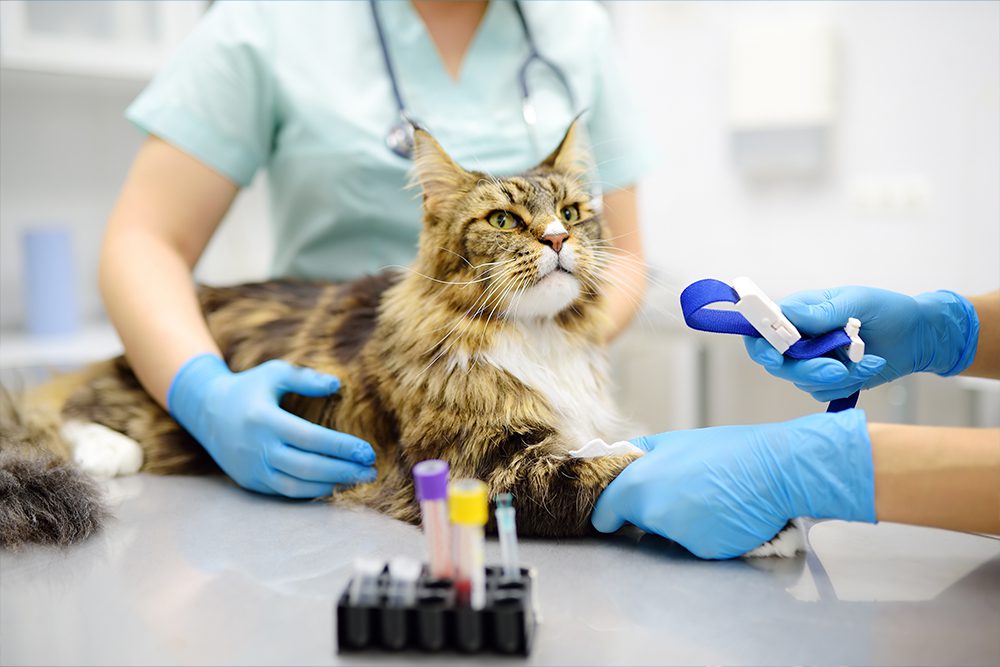
A pet ultrasound can detect problems inside the abdomen and chest that other tests often miss, including gastrointestinal blockages, liver and kidney disease, bladder stones, abnormal fluid buildup, heart conditions, masses on internal organs, and pregnancy. Because it uses sound waves instead of radiation, ultrasound shows soft tissues in real time and gives veterinarians a…
Read MoreWater Therapy for Dogs: How Underwater Treadmills Support Healing

Water therapy for dogs is a veterinary rehabilitation technique in which a dog walks on a submerged treadmill belt inside a water-filled chamber, allowing the body to exercise with less weight on its joints and more resistance for its muscles. It is one of the most widely used tools in canine physical rehabilitation because the…
Read MoreHydrotherapy for Dogs: Benefits for Arthritis, Injuries, and Rehabilitation

Hydrotherapy for dogs offers three major benefits: it eases stress on painful joints, rebuilds muscle after injury or surgery, and restores range of motion without the jarring impact of land-based exercise. For dogs living with arthritis or healing from an orthopedic procedure, those advantages can mean the difference between a pet who avoids walks and…
Read MoreWhat is Hydrotherapy for Dogs?
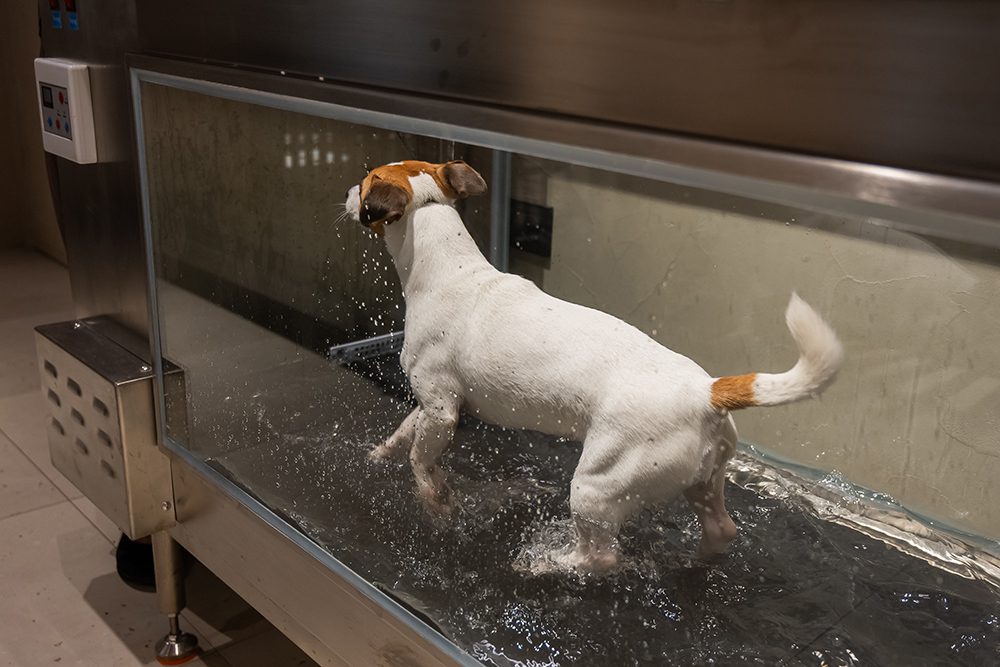
Hydrotherapy for dogs is a form of physical rehabilitation that uses water, most often an underwater treadmill, to help pets build strength, improve range of motion, and move with less stress on their joints. The water supports part of your dog’s body weight while also adding gentle resistance, so every step becomes a low-impact workout.…
Read MoreRat Poisoning in Cats
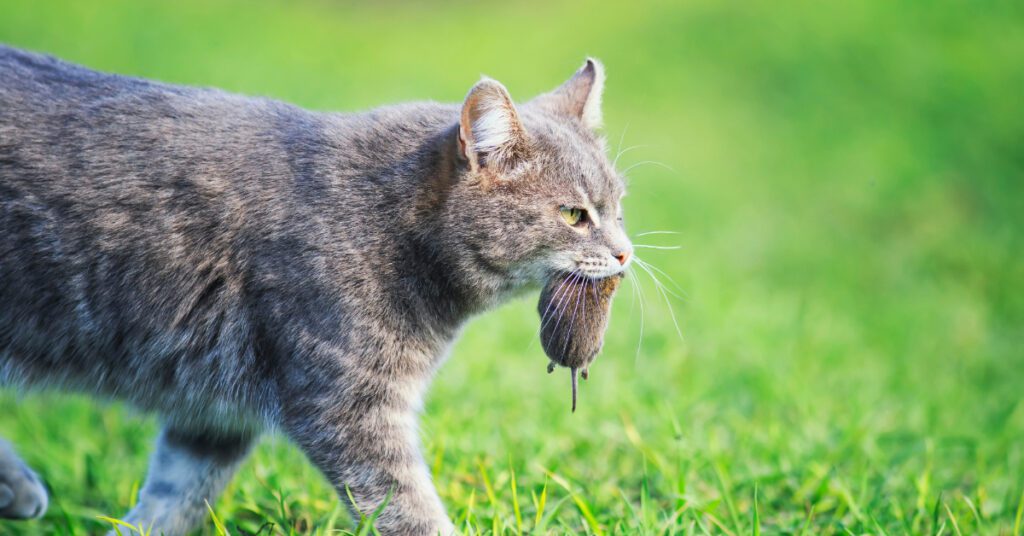
Rat poisoning in cats refers to toxic exposure that occurs when a cat eats rodent poison directly or consumes a poisoned rodent. Many rodenticides contain chemicals designed to disrupt blood clotting, damage the nervous system, or cause organ failure, and cats are highly sensitive to these compounds. Because early signs of rat poisoning in cats…
Read MoreAre Pothos Toxic to Cats?

Yes, pothos are toxic to cats, and many pet owners discover this only after spotting a chewed leaf on the floor or finding their cat pawing at a trailing vine. A curious nibble on a houseplant may seem harmless at first, yet certain common indoor plants contain compounds that irritate a cat’s mouth and digestive…
Read MoreUTI in Dogs

A canine urinary tract infection, often called a dog UTI, happens when bacteria enter and multiply within the urinary system, leading to inflammation, discomfort, and changes in urination. Common signs of a dog UTI include an accident in the house, frequent trips outside, or straining to urinate. What may seem like a minor behavior issue…
Read MoreDog Sneezing: Potential Causes

Dog sneezing is a common reflex that helps clear the nasal passages of irritants, and in many cases, it is a normal and harmless behavior. One quick sneeze during a walk or after sniffing the grass often signals that your dog’s body is simply reacting to dust, pollen, or a strong scent. However, when dog…
Read MoreHow Much Exercise Does a Dog Need?

A brisk walk at sunset, a game of fetch in the yard, or a playful romp at the park often feels like simple fun, yet these moments answer a common question we hear every day: how much exercise does a dog need? The truth is that exercise shapes a dog’s physical health, behavior, and emotional…
Read MoreSigns of Anxiety in Cats
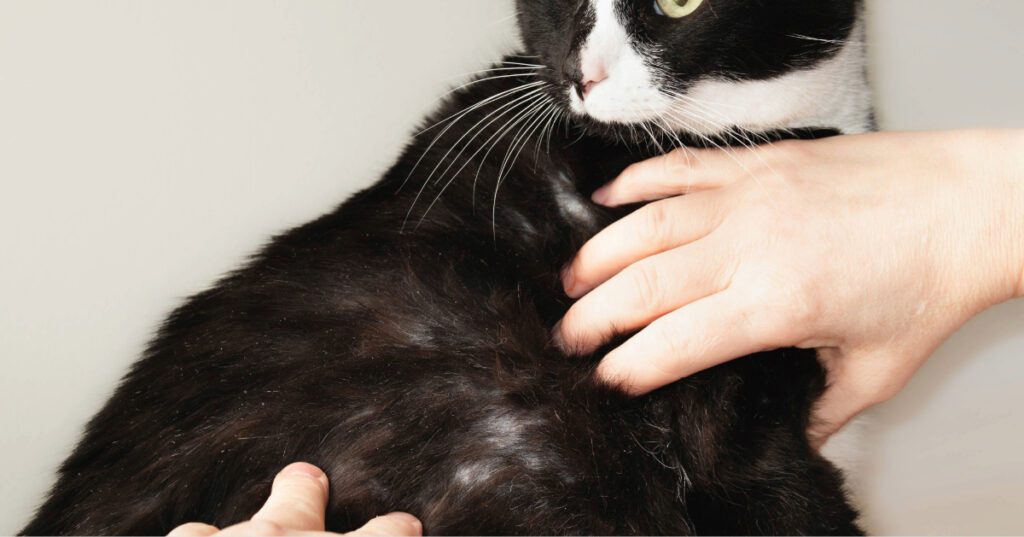
You notice your cat lingering under the bed longer than usual, slinking past a favorite perch, or reacting to small sounds as if they were threats. Moments like these often leave pet owners wondering whether their cat feels stressed, scared, or dealing with something deeper. The signs of anxiety in cats can appear quietly at…
Read More