
Uncategorized
How to Tell if My Dog Has Worms?
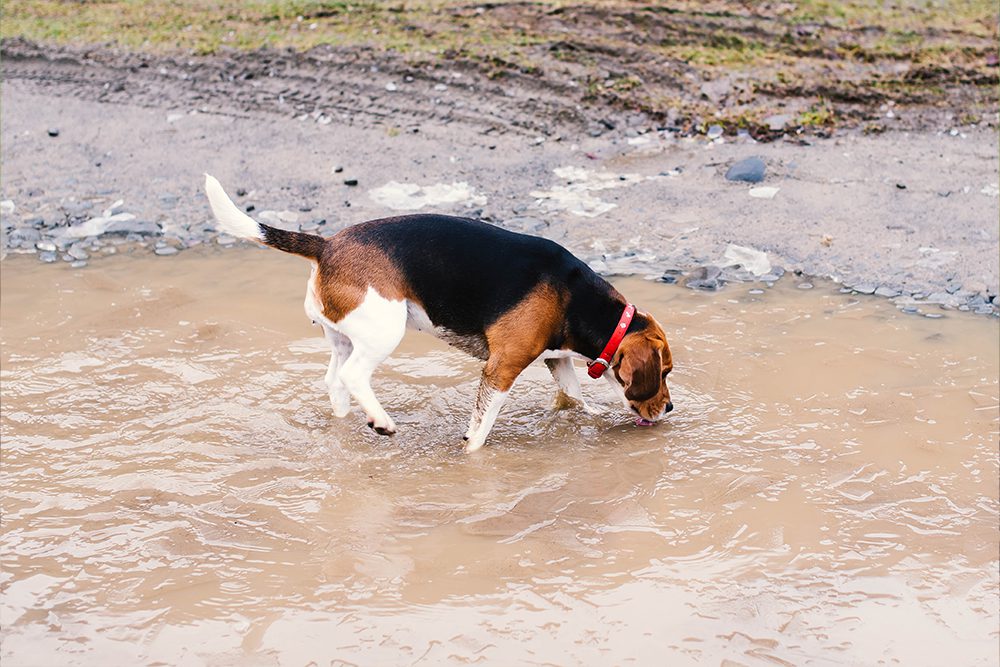
The most reliable way to tell if your dog has worms is a fecal test performed by your veterinarian, because most dogs show no significant symptoms until an infestation has advanced. Visible clues such as worms or rice-like segments in the stool, a pot-bellied look, weight loss, or scooting can appear, but usually only after…
Read MoreHow Do Dogs Get Worms?

Dogs get worms by swallowing parasite eggs or larvae from contaminated soil, water, or feces, by eating infected fleas, prey, or raw meat, through larvae that burrow into the skin, and from their mothers before birth or while nursing. Heartworms follow a different path and spread through mosquito bites. Because these exposures happen during ordinary…
Read MoreCan Human Get Worms from Dogs?

Yes, humans can get certain worms from dogs, most commonly roundworms and hookworms, and less often some types of tapeworms. People usually become infected by accidentally swallowing parasite eggs from contaminated soil, sand, or surfaces, or when hookworm larvae in the soil penetrate bare skin. Simply petting a dog rarely spreads worms directly, but a…
Read MoreTypes of Worms in Dogs

The main types of worms in dogs are roundworms, hookworms, whipworms, tapeworms, and heartworms. The first four live in the digestive tract, while heartworms live in the heart and blood vessels of the lungs. Each parasite has its own life cycle, preferred location in the body, and level of risk, but they share one frustrating…
Read MoreDog Licking Paws: Could Allergies Be the Cause?
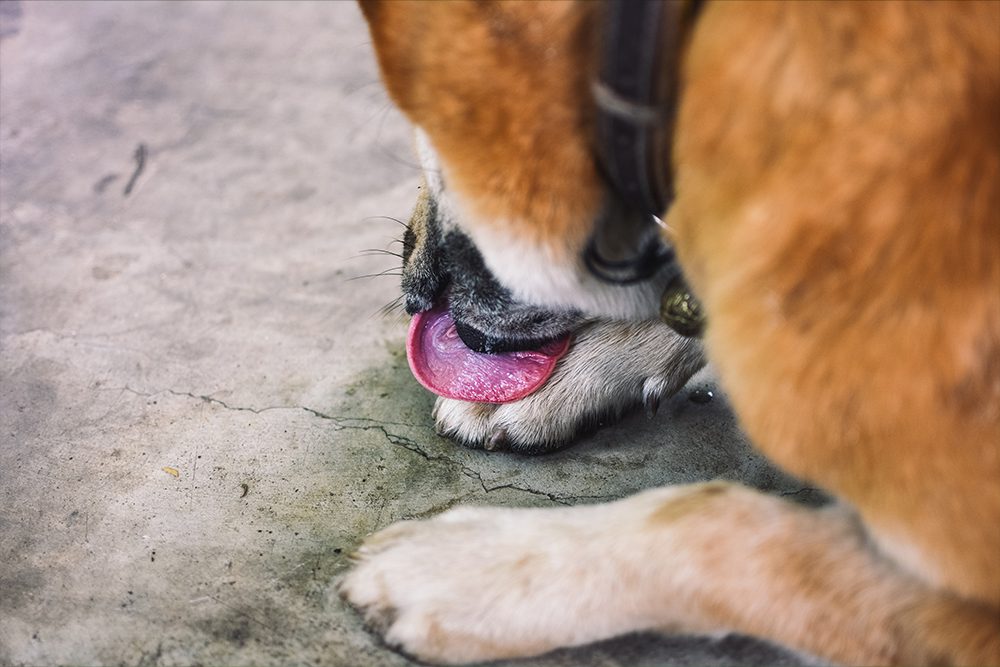
Dogs most often lick their paws because of allergies, which make the skin between the toes and on the paw pads itchy and inflamed. Environmental allergies to pollen, dust mites, and mold, food allergies, and flea allergies are the most common culprits. Other causes include skin infections, injuries, foreign objects stuck between the toes, joint…
Read MoreDog Rash on Belly: Common Causes Explained
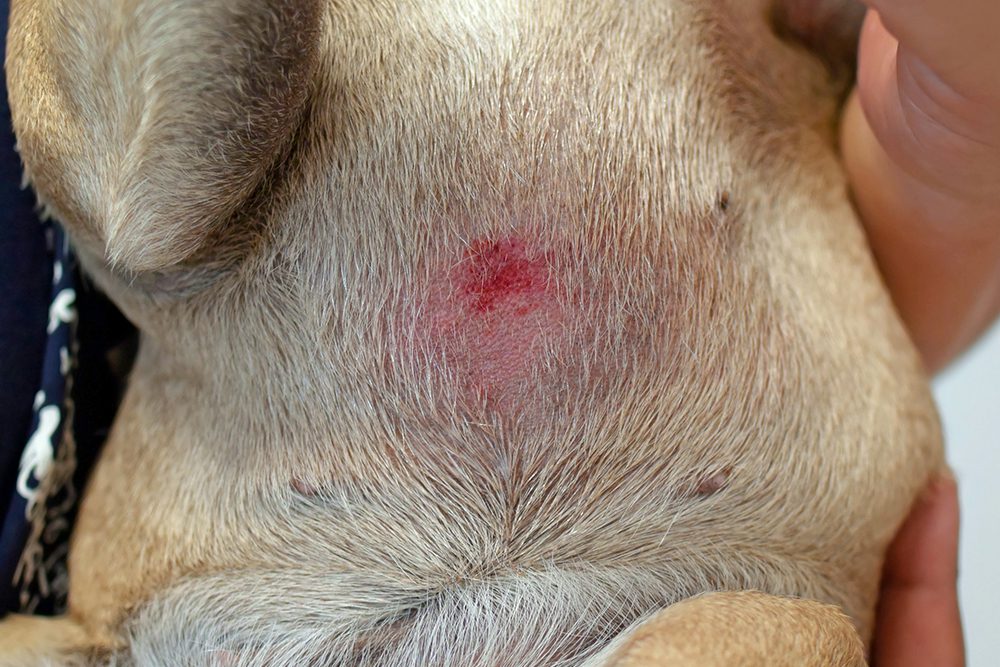
A heat rash on a dog usually looks like patches of red, inflamed skin dotted with small raised bumps or pimple-like spots, most often on the belly, groin, armpits, and skin folds where fur is thin. The area may feel warm to the touch, appear slightly moist, and cause your dog to lick, scratch, or…
Read MoreItch Relief for Dogs: Allergies, Fleas, and More Explained

The most effective help for a dog with itchy skin is identifying and treating the underlying cause with your veterinarian, since fleas, allergies, and skin infections are behind most cases. Once the cause is known, veterinary care may include year-round flea control, prescription anti-itch medications, medicated bathing products, treatment for bacterial or yeast infections, special…
Read MoreDog Allergy Cough: Symptoms, Causes, and When to See a Vet

Dogs cough for many reasons, including allergies, airway irritation, infections like kennel cough, a collapsing trachea, heart disease, heartworms, and inhaled foreign objects. A dog allergy cough is typically a dry, recurring cough that flares around pollen, dust, smoke, or other airborne irritants, often alongside sneezing, watery eyes, or itchy skin. Allergies in dogs more…
Read MoreHow Long Does a Dog Ultrasound Take?
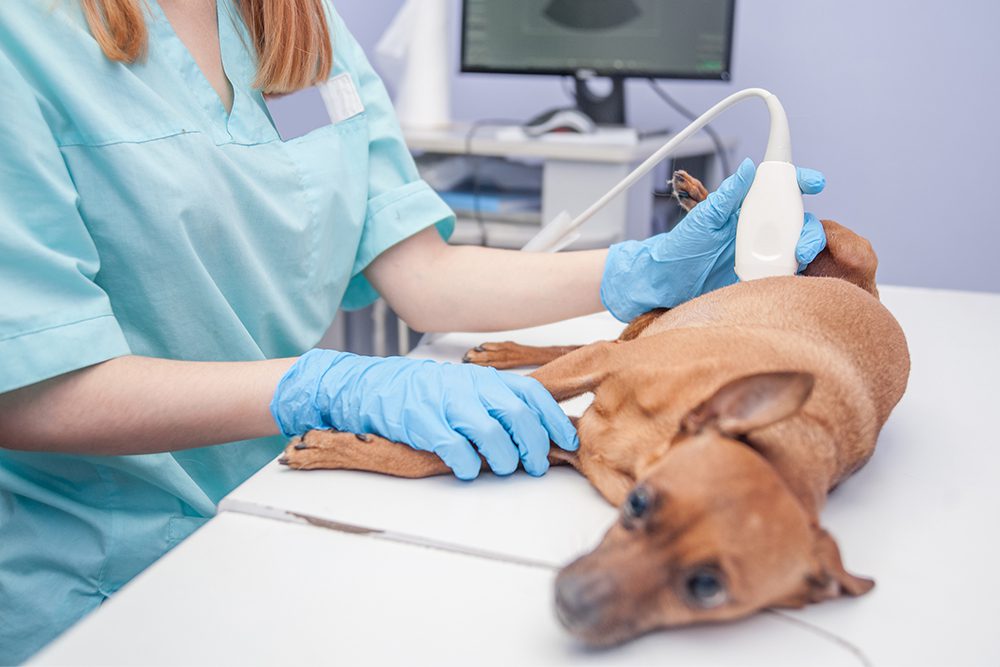
Most dog ultrasounds take about 15 to 20 minutes for the scan itself, while a more in-depth scan may take up to an hour. The full appointment usually runs longer once you add check-in, preparation, and time to review the findings with your veterinarian. Factors such as the area being examined, your dog’s comfort level,…
Read MorePet Ultrasound: When Is It Needed?
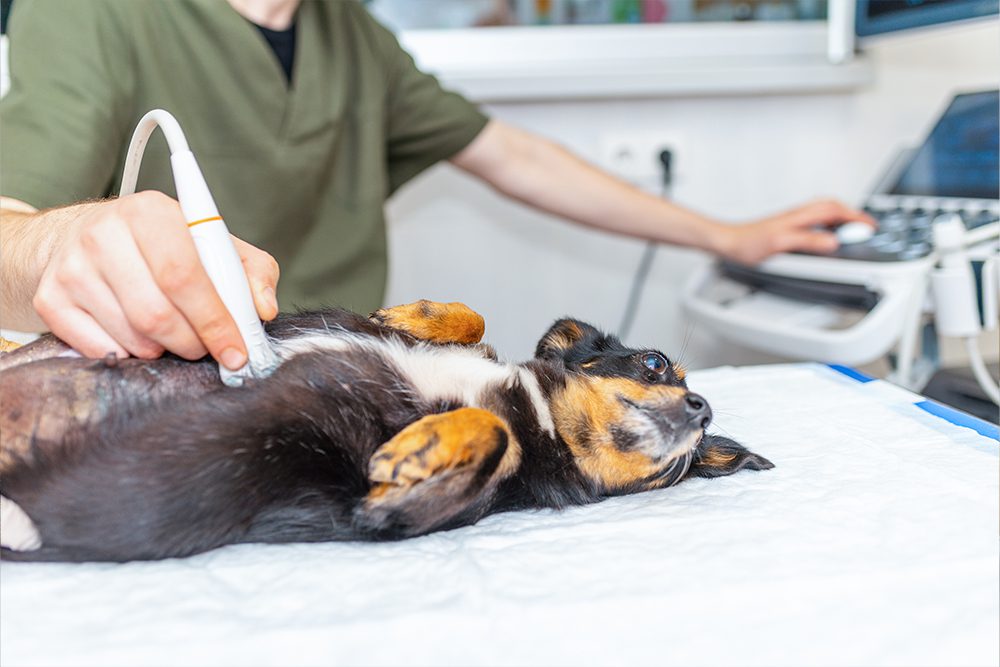
A pet ultrasound is needed when a veterinarian has to look inside soft-tissue organs to explain ongoing symptoms, investigate abnormal blood or urine results, check for a swallowed object, or monitor a known condition over time. It is also the standard way to confirm and track pregnancy. In short, ultrasound comes into play when an…
Read More